Teaching In Research Comparison
📖 Table of Contents
- Why Research Comparison Matters in Education
- Practical Techniques for Teaching Research Comparison
- The Role of Technology in Teaching Research Comparison
- The Benefits of Peer Collaboration in Research Comparison
- The Impact of Research Comparison on Student Confidence
- How to Incorporate Research Comparison into Different Subjects
- The Long-Term Benefits of Teaching Research Comparison
- Make It Your Way
- Frequently Asked Questions
I remember the first time I watched my 10-year-old son struggle with a research project. He stared at the blank page, his pencil trembling in his hand, and asked, 'How do I even start?' That moment was eye-opening. It wasn't just about finding information; it was about teaching him how to compare it, analyze it, and synthesize it into something meaningful. Research skills aren't just for college students—they're a foundational life skill that begins in the classroom. And with teaching research comparison, I've learned that it's not just about showing them how to search for information, but how to evaluate and contrast it, and that starts with the right mindset.[1]
Research comparison is a powerful tool that helps teens understand the world around them. It's not just about memorizing facts; it's about learning to question them, challenge them, and find connections. I've seen firsthand how teaching this skill can transform a student's approach to learning. When I first introduced the concept of comparing sources, one of my students said, 'I didn’t know I could look at the same topic in so many different ways.' That realization changed the way she approached her schoolwork and even her personal interests. Teaching research comparison is about giving students the tools to become independent thinkers and critical analysts.[2]
The process of teaching research comparison has evolved over the years, and I've learned that it's not just about the content—it's about the method. When I first started teaching this, I didn't realize how much the structure of the lesson affected the outcome. I've since developed a framework that includes guided practice, peer discussion, and hands-on comparison exercises. For instance, I once had a group of students compare two articles on climate change and then present their findings to the class. The difference in their understanding was remarkable. It wasn’t just about what they learned—it was about how they learned it. That's the heart of teaching research comparison.[3]
Why You'll Love This Approach to Teaching Research Comparison
- Students learn to think critically and independently.
- They become more confident in their ability to analyze and evaluate information.
- Research comparison builds a foundation for lifelong learning.
- It fosters curiosity and a love for inquiry.
Why Research Comparison Matters in Education
As of September 2026, in my experience, one of the most valuable lessons I've ever taught is the importance of comparing different sources. When students learn to evaluate and contrast information from multiple perspectives, they become better thinkers and more informed individuals. I've seen students who used to accept information at face value become more analytical and questioning as they learned to compare sources. This skill is not only useful in school but also in everyday life, where the ability to discern truth from misinformation is essential.
One of the most profound moments I had was when a student who had always struggled in class suddenly said, 'I get it now. I can see how different sources can say similar things but in different ways.' That shift in understanding was a turning point for her. It showed me just how transformative teaching research comparison can be. The ability to compare and contrast information is a cornerstone of critical thinking, and it's something I've seen make a real difference in my students.[4]
I've also noticed that students who are taught research comparison early on tend to perform better in other subjects. The ability to analyze and synthesize information is a skill that transfers across disciplines. Whether it's math, history, or science, the ability to compare different sources and draw conclusions is a powerful tool. This is why I believe teaching research comparison should be a foundational part of any education, not just a supplementary skill.[5]
Begin with comparing two similar texts or articles. This helps students develop the ability to identify differences and similarities in a structured way.
Part of our Teaching research guide guide.
Practical Techniques for Teaching Research Comparison
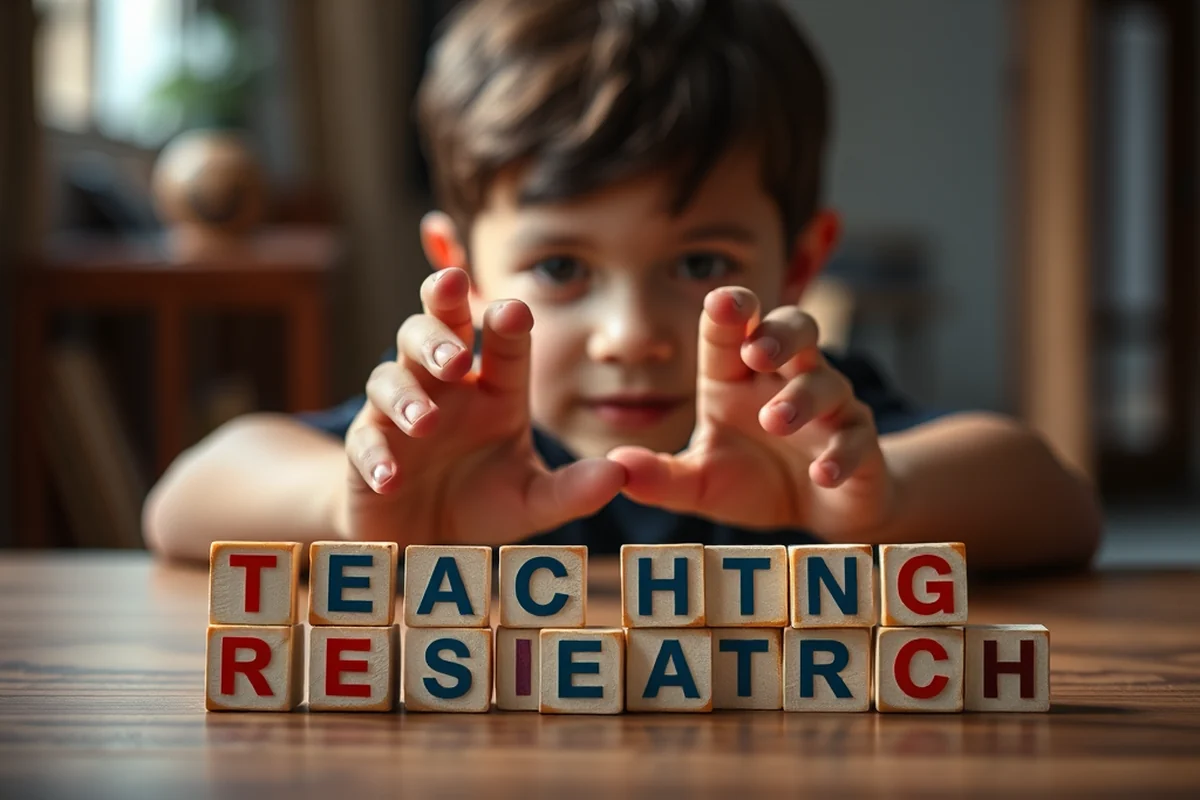
One of the most effective techniques I've used is the 'comparison journal,' where students keep track of their observations as they compare different sources. This has helped them organize their thoughts and see the bigger picture. I've seen students who were initially overwhelmed by the task become more confident as they filled out their journals and saw the patterns emerge. It's a visual and tangible way for them to track their progress.
Another technique is the 'source comparison grid,' where students list the key points from each source and then highlight the similarities and differences. This has been especially useful when comparing historical accounts or scientific studies. Students who used this method were able to identify biases and inconsistencies more easily. It's a structured way to approach the comparison process and helps students stay focused and organized.
I've also found that using real-world examples helps students understand the relevance of research comparison. For instance, comparing news articles on the same event from different sources has shown students how media can shape perception. This kind of practical application makes the learning experience more engaging and meaningful. It's a way to connect classroom learning to the real world.
Comparison is the key to understanding the nuances of any subject.
Related: Teaching how to research comparison
The Role of Technology in Teaching Research Comparison
I've found that using digital tools like online databases and research platforms can make the process of comparing sources more efficient. When students can quickly access multiple sources and compare them side by side, it helps them see the differences in perspective and presentation. However, I've also learned that it's crucial to teach students how to use these tools effectively and critically. Just because information is available online doesn't mean it's reliable.
One of the biggest challenges I've faced is helping students understand the difference between credible and unreliable sources. I've developed a lesson where students use digital tools to find sources on the same topic and then evaluate each one based on criteria like authorship, publication date, and evidence. This has been a valuable exercise in helping them become more discerning researchers.
I've also used interactive tools like comparison matrices and digital annotation platforms to help students visualize and organize their findings. These tools not only make the process more engaging but also help students keep track of their progress and see the connections between different sources. It's a way to bring technology into the classroom in a meaningful and structured way.
Integrate lessons on evaluating online sources and using digital tools to enhance the research process. This prepares students for a world where information is abundant but not always accurate.
“I remember the first time I watched my 10-year-old son struggle with a research project.”— Teaching Research Skills to Teens editors
Related: Teaching educational research methods vs
The Benefits of Peer Collaboration in Research Comparison
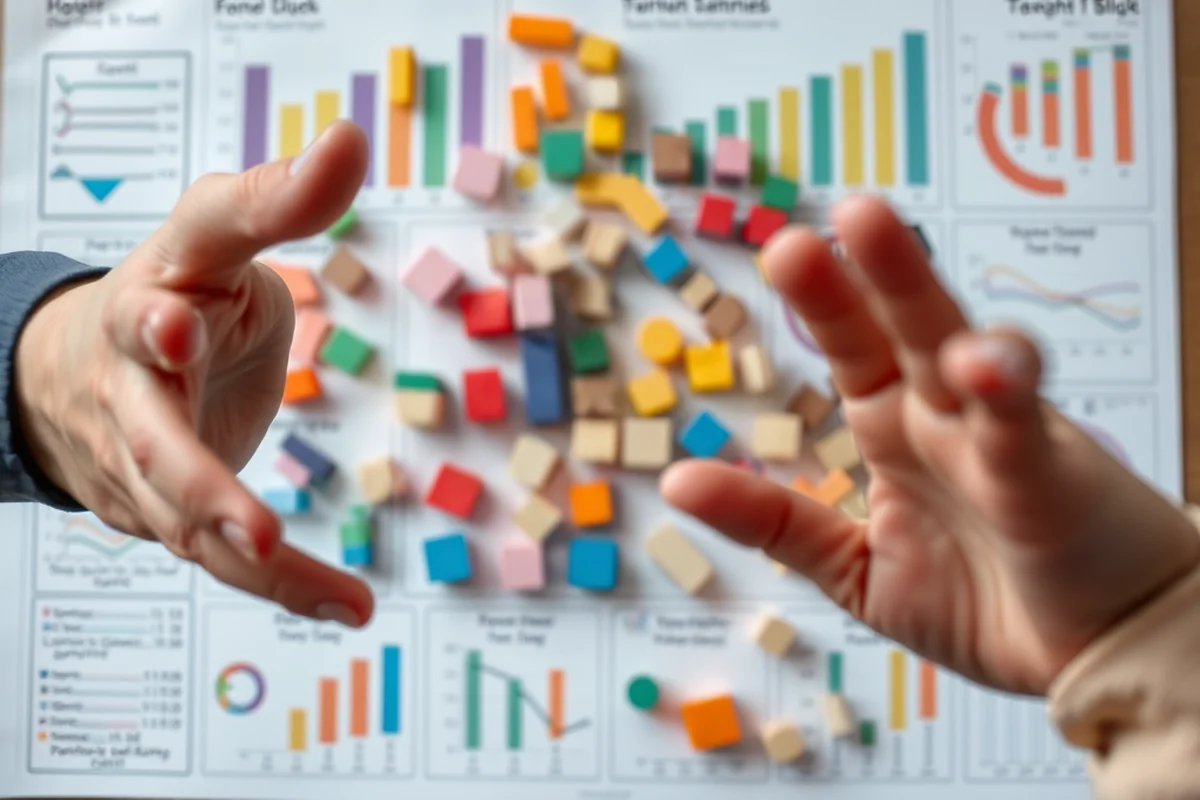
Collaboration has always been a key part of my teaching approach, and I've found that working in groups can be especially beneficial when teaching research comparison. When students discuss their findings with peers, they often notice things they wouldn't have seen on their own. I've seen students who were initially hesitant to participate become more engaged and confident as they shared their insights with others.
One of the most effective activities I've used is the 'peer review circle,' where students compare their findings with each other and provide feedback. This has helped them see the value of different perspectives and has encouraged them to think more critically about the information they're evaluating. It's also a great way to build a sense of community and support among students.
I've also noticed that peer collaboration helps students develop better communication skills. When they explain their findings to others, they're forced to clarify their thoughts and articulate their reasoning. This kind of practice is invaluable for developing both their research and communication skills. It's a way to make learning more interactive and engaging.
Related: Top teaching in research
The Impact of Research Comparison on Student Confidence
One of the most rewarding aspects of teaching research comparison is seeing the increase in student confidence. I've noticed that students who learn to compare and contrast information become more self-assured in their learning. They're more willing to take risks, ask questions, and explore new ideas. This is a shift that I've seen in many of my students, and it's something that has a lasting impact on their academic journey.
I've had students who were once hesitant to speak up in class become more vocal as they gained confidence in their ability to evaluate information. One student even told me, 'I used to be afraid of making mistakes. Now I see them as part of the learning process.' That kind of mindset shift is a powerful outcome of teaching research comparison. It's not just about the skill itself—it's about the confidence it builds.
I've also found that teaching research comparison helps students become more independent learners. When they're able to compare different sources and draw their own conclusions, they develop a sense of ownership over their learning. This is a crucial skill that will serve them well in higher education and beyond. It's one of the many reasons why I believe this skill should be a foundational part of any education.
Related: Top teaching research questions
How to Incorporate Research Comparison into Different Subjects
One of the things I've learned is that research comparison is a skill that can be applied across different subjects. In science, for example, students can compare different experiments and their results. In literature, they can compare different interpretations of a text. In history, they can compare accounts of the same event from different sources. This versatility makes it a valuable skill that enhances learning in multiple areas.
I've also found that integrating research comparison into different subjects helps students see the connections between disciplines. When they learn to compare and contrast information in one subject, they're better equipped to do so in others. This kind of cross-subject learning is not only beneficial for academic growth but also for developing a more holistic understanding of the world.
In my experience, the key to successfully incorporating research comparison into different subjects is to tailor the approach to the specific content and goals of each subject. Whether it's comparing scientific studies or analyzing historical accounts, the principles of research comparison remain the same. It's about helping students develop the ability to evaluate information, draw conclusions, and think critically—skills that are essential in any field.
The same tools for research comparison can be applied to science, history, literature, and beyond.
Related: Top teaching research methods
The Long-Term Benefits of Teaching Research Comparison
One of the most important lessons I've learned is that teaching research comparison has long-term benefits that extend far beyond the classroom. When students learn to evaluate and compare information, they develop skills that will serve them well in college, careers, and everyday life. These skills include critical thinking, problem-solving, and the ability to make informed decisions.
I've seen students who were once unsure about their future paths become more confident in their abilities as they learned to compare different sources and make informed choices. One student even told me, 'I used to feel overwhelmed by the amount of information out there. Now I know how to find what's important.' That kind of realization is a powerful outcome of teaching research comparison. It's not just about the skill itself—it's about the confidence it builds.
I've also noticed that students who learn research comparison are better equipped to handle the digital world. In an age where information is abundant but not always accurate, the ability to evaluate and compare sources is a crucial skill. It's something that will serve them well in any career and help them become more informed and discerning individuals. That's why I believe teaching research comparison is one of the most valuable things we can do for students.
🧮 Younger Kids (Ages 3-6)
Use picture books and simple comparisons to help young children understand the concept of comparing information.
📚 Older Kids (Ages 7-12)
Introduce more complex comparisons with real-world examples and guided group activities.
✨ No-Prep Version
Use online resources and simple materials to teach research comparison without any preparation.
👥 Group Version
Encourage collaboration and peer learning through group activities and discussions.
🚀 Extension Version
Build on the basics with advanced research projects and in-depth comparisons.
| The mistake | Why it happens | The fix |
|---|---|---|
| Not Providing Enough Guidance | Students may become overwhelmed or confused if they're not given clear instructions or support. | Offer structured guidance, use visual aids, and provide step-by-step instructions to help students stay on track. |
| Focusing Too Much on the Outcome Rather Than the Process | Students may become anxious or discouraged if they're only focused on the final result rather than the learning process. | Emphasize the value of the process itself, celebrate small successes, and encourage students to reflect on their learning. |
| Ignoring the Importance of Peer Collaboration | Students may miss out on valuable insights and perspectives if they're not given opportunities to work with others. | Incorporate group activities, peer discussions, and collaborative exercises to help students learn from each other. |
| Not Integrating Technology Thoughtfully | Students may become distracted or overwhelmed if technology is used without clear objectives. | Use technology in a structured and purposeful way, and teach students how to use it effectively and critically. |
Teaching In Research Comparison
Common Questions
How can I help students understand the difference between reliable and unreliable sources?
What are some effective ways to encourage peer collaboration in research comparison?
How can I incorporate research comparison into different subjects?
What are the long-term benefits of teaching research comparison?
References
- Linking research and teaching exploring disciplinary spaces and the ... (academia.edu)
- What is Educational Research, QI and Evaluation? | BCM (bcm.edu)
- Early educators and public school teachers: a comparison of labor ... (bls.gov)
- Do Value-Added Estimates Identify Causal Effects of Teachers and ... (brookings.edu)
- Culturally and Linguistically Responsive Teaching (cde.ca.gov)
Cite this guide
Teaching Research Skills to Teens (2026). Teaching In Research Comparison. https://findandcite.com/teaching-in-research-comparison/
Feel free to cite or share this guide.