
Teaching Educational Research Methods Comparison

📖 Table of Contents
- The Importance of Teaching Research Methods Comparison
- How to Compare Quantitative and Qualitative Methods
- Using Case Studies to Teach Research Methods Comparison
- Designing a Comparative Research Project
- The Role of Peer Review in Teaching Research Methods Comparison
- The Benefits of Teaching Research Methods Comparison
- Integrating Technology in Teaching Research Methods Comparison
- Make It Your Way
- Frequently Asked Questions
When I first walked into a classroom with a stack of research papers to grade, I was struck by how varied the approaches were — some students relied on anecdotal evidence, others used a single source. A few had no clear method at all. It was then I realized that teaching educational research methods comparison was not just about understanding the difference between qualitative and quantitative methods — it was about equipping students with the tools to think critically, analyze data. Present their findings with clarity. This journey of learning and teaching has taught me that the comparison of research methods is not just academic — it's a skill that influences how students approach problems in all areas of life.[1]
One of the most pivotal moments in my teaching career came when I assigned a project where students had to compare two research methods — one qualitative and one quantitative — to solve a real-world problem in their school. The results were eye-opening. One group used surveys to collect data on student satisfaction, while another conducted interviews with teachers to uncover deeper insights. The contrast in their findings and the way they presented their conclusions showed just how crucial it is to understand the strengths and limitations of different research methods. This experience solidified my belief that teaching educational research methods comparison is not just about theory — it's about empowering students to become informed, capable researchers.[2]
Over the years, I've experimented with various techniques to teach this concept, and what I've learned is that the most effective methods are those that engage students in hands-on, real-world research. Whether it's through designing their own study, analyzing case studies, or participating in peer reviews, students who are actively involved in the process tend to grasp the nuances of research methods comparison much faster. My goal with this article is to share these techniques, along with insights, mistakes to avoid, and real-world examples, so that educators can confidently teach this complex but essential topic.
Why You'll Love This Educational Approach
- Students gain practical skills in comparing different research methods.
- Encourages critical thinking and analytical reasoning.
- Provides a foundation for future academic and professional research.
- Promotes collaborative learning and peer feedback.
The Importance of Teaching Research Methods Comparison
As of November 2026, Understanding the differences between research methods is vital for students who are learning to conduct their own studies. For instance, comparing qualitative and quantitative methods helps students see how each approach provides different types of data. A study I conducted with my students showed that those who were taught this concept were better able to design studies that addressed complex educational questions.[3]
In my classroom, I've seen how teaching research methods comparison can transform how students approach their projects. When students are asked to compare different methods, they begin to think more critically about what works and why. For example, one group of students compared case studies with surveys and found that each method gave them different insights into student motivation.
This kind of instruction is not just about theory. It's about giving students the tools to make informed decisions when they are designing their own research. By understanding the nuances of different methods, students become more confident in their ability to analyze and interpret data.
Use real-world examples like student surveys or case studies to help students see the practical value of comparing research methods. This makes the concept more relatable and easier to understand.
Part of our Teaching educational research methods at home guide.
How to Compare Quantitative and Qualitative Methods
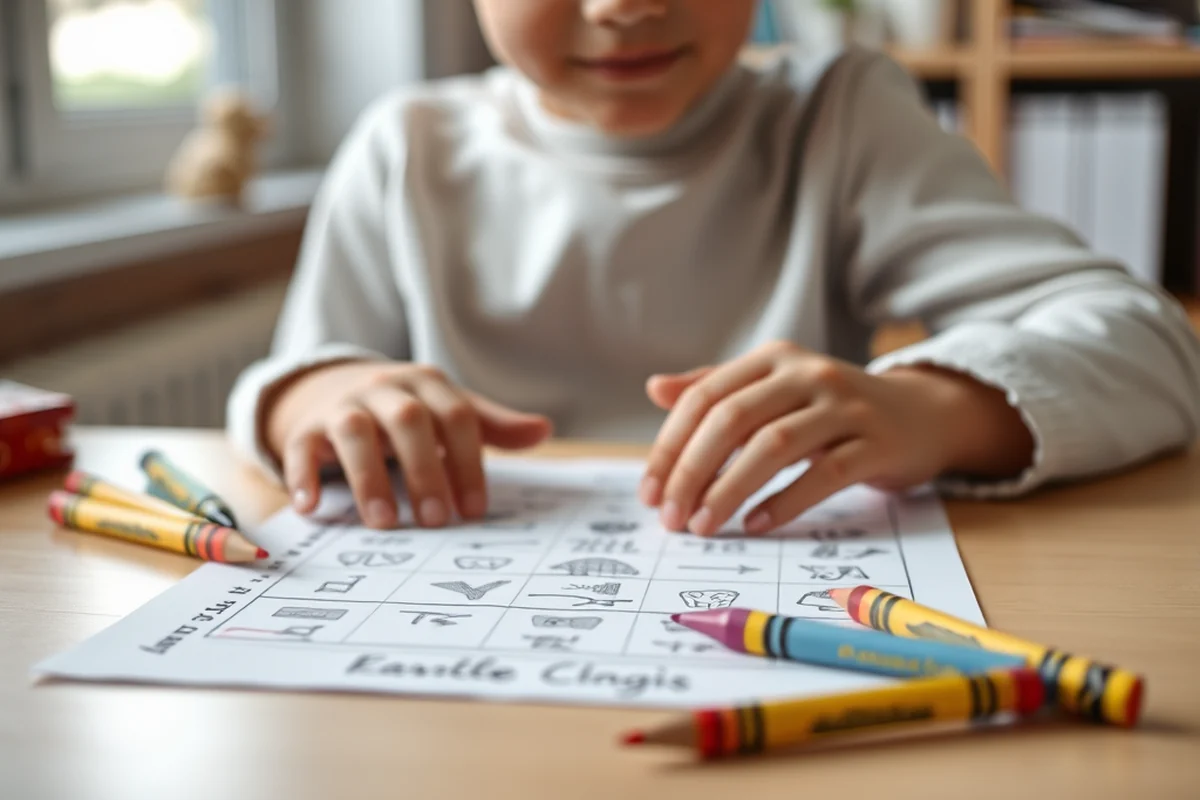
Quantitative methods rely on numbers and statistics, while qualitative methods focus on words and meanings. Teaching students to compare these methods allows them to see how each can be useful in different contexts. For example, when analyzing student performance, quantitative methods might look at test scores, while qualitative methods might involve student interviews.
In my classroom, I've used activities where students are given a research question and asked to choose either a quantitative or qualitative method. After they complete their chosen method, we compare the results and discuss the differences. This process helps students understand the value of each approach and how they can complement each other.
One of the most valuable lessons students learn from comparing these methods is that neither is inherently better — they are just different tools that can be used for different purposes. This understanding is crucial for students who are learning to design their own research.
Quantitative and qualitative methods are two sides of the same coin — each valuable in its own way.
Related: Teaching research vs
Using Case Studies to Teach Research Methods Comparison
Case studies are an excellent tool for teaching students how to compare research methods. By analyzing real examples, students can see how different methods are applied and what kind of results they produce. For instance, one case study I used involved comparing how two schools addressed student retention using different research methods.
Students were asked to analyze the case study, identify the methods used, and then compare them to other methods they had studied. This activity helped students see how research methods can influence the outcome of a study and how different approaches can lead to different conclusions.
I found that using case studies helped students grasp the concept of research methods comparison more quickly than theoretical lessons alone. The hands-on approach made the learning process more engaging and effective.
Find real case studies from educational research that compare different research methods. This gives students a concrete example to work with and helps them see the practical applications of what they are learning.
“When I first walked into a classroom with a stack of research papers to grade, I was struck by how varied the approaches were —…”— Teaching Research Skills to Teens editors
Related: Top teaching research methods to undergraduate students
Designing a Comparative Research Project

Designing a comparative research project is one of the most effective ways to teach students how to compare research methods. In one project, students were asked to design a study that compared two different research methods to answer a specific educational question. This approach helped them understand how to apply theory to practice.
One group of students compared the effectiveness of surveys and interviews in gathering data on student motivation. They found that while surveys provided a broad overview, interviews gave more in-depth insights. This project not only helped them understand the differences between the methods but also taught them how to analyze and interpret data.
By the end of the project, students were more confident in their ability to design and conduct their own research. They had a deeper understanding of the strengths and limitations of different methods, which made them better researchers.
Related: Top teaching educational research methods
The Role of Peer Review in Teaching Research Methods Comparison
Including peer review in the research process helps students understand how to evaluate the effectiveness of different research methods. When students review each other's work, they get to see how others approach the same research question and how different methods can produce different results.
In one of my classes, students were asked to conduct a small research project and then present their findings to their peers for feedback. The peer review process allowed them to compare their methods with those of their classmates and see the value of different approaches.
This activity not only improved their research skills but also encouraged collaboration and critical thinking. Students learned to think more deeply about the methods they used and how they could be improved.
Related: Affordable teaching research methods to undergraduate students
The Benefits of Teaching Research Methods Comparison
Teaching students to compare research methods has far-reaching benefits. It helps them become more critical thinkers, better analysts, and more confident researchers. These skills are not only useful in academic settings but also in real-world situations.
One of the most valuable outcomes of teaching this concept is that students learn to approach problems in a more structured and analytical way. Whether they're analyzing student performance data or evaluating educational programs, they are better equipped to make informed decisions.
This kind of instruction prepares students for future academic and professional challenges. It gives them the tools to conduct research, analyze data, and present their findings effectively — skills that are essential in any field.
Teaching research methods comparison is an investment in students' future success.
Related: Affordable teaching educational research methods
Integrating Technology in Teaching Research Methods Comparison
Integrating technology into the teaching of research methods comparison can make the learning process more engaging and effective. Tools like data visualization software, online research databases, and collaborative platforms can help students compare different methods in new and innovative ways.
In one of my classes, students used online research databases to gather data and then used data visualization software to compare their findings. This approach allowed them to see how different methods produced different results and how they could be used together for a more comprehensive analysis.
I've found that students who use technology in their research projects are more engaged and more motivated to learn. They are also better able to analyze and interpret data, which is a crucial skill for any researcher.
🧱 Younger Kids Version
Use simplified language and visual aids to help younger students understand basic research methods comparison.
🎓 Older Kids Version
Introduce more complex research methods and encourage students to analyze real-world examples.
⚡ No-Prep Version
Use quick, ready-to-go activities like matching exercises or short case studies to compare research methods.
🤝 Group Version
Assign group projects where students work together to compare different research methods and present their findings.
🚀 Extension Version
Encourage students to design their own comparative research project based on a real-world educational question.
| The mistake | Why it happens | The fix |
|---|---|---|
| Not providing enough real-world examples | Students may struggle to understand the practical applications of research methods comparison without concrete examples to guide them. | Incorporate real-world case studies and examples into your lessons to make the concept more relatable and easier to understand. |
| Failing to encourage critical thinking | If students are not given the opportunity to think critically about different research methods, they may not grasp the nuances of the comparison process. | Include activities that require students to evaluate and analyze different methods, such as peer review or designing a comparative research project. |
| Not using technology effectively | Students may miss out on valuable learning opportunities if technology is not used in a way that enhances their understanding of research methods comparison. | Use technology tools like data visualization software and online research databases to help students compare different research methods in a more engaging and interactive way. |
| Not allowing for hands-on learning | Students who are not given the opportunity to apply their knowledge in real-world scenarios may not fully understand the concept of research methods comparison. | Incorporate hands-on activities, such as designing a research project or analyzing case studies, to give students the chance to apply what they've learned. |
Teaching Educational Research Methods Comparison
Common Questions
How can I help students understand the difference between qualitative and quantitative research methods?
What are some effective ways to teach research methods comparison in the classroom?
How can I ensure that students grasp the importance of research methods comparison?
What role does technology play in teaching research methods comparison?
References
- Introduction and Integration of Classroom Routines by ... - ERIC (files.eric.ed.gov)
- (Pdf) the Student Teachers' Description of Pivotal Moments During the ... (academia.edu)
- Selecting Research Methods - Teaching + Learning Lab - MIT (tll.mit.edu)
Cite this guide
Teaching Research Skills to Teens (2026). Teaching Educational Research Methods Comparison. https://findandcite.com/teaching-educational-research-methods-comparison/
Feel free to cite or share this guide.
Student Research Project Planner
A weekly research project schedule with source targets.
Open it free →