
Teaching Kids Research Skills Templates

📖 Table of Contents
- What Are Research Skill Templates?
- How to Use Templates with Younger Kids
- Why Templates Help With Critical Thinking
- How Templates Encourage Ownership of Learning
- Why Templates Are Adaptable for Any Age
- The Role of Visual Aids in Templates
- Why Templates Are Important for Lifelong Learning
- Make It Your Way
- Frequently Asked Questions
I still remember the first time my 8-year-old asked me, 'How do I know if this website is real?' It was during a school project on dinosaurs. He was staring at a page that claimed to be the 'Official Dinosaur Encyclopedia' — but it had a spelling mistake in the title. That moment was a wake-up call: teaching kids research skills isn't just about finding information; it's about teaching them how to trust it, verify it and use it wisely. Research skills are not just for high schoolers or college students — they’re foundational for kids as young as 6, and the right templates can make all the difference.
Over the past five years, I've tested over 20 different research skill templates with kids ranging from 3 to 12 years old. Some of them were too advanced, some were too vague, and some were just plain confusing. The ones that worked best had clear steps, visual aids and real-world examples. I've even used them in after-school programs, where kids as young as 5 were able to use the templates to create simple research reports on their favorite animals. It wasn't perfect, but it was a start — and that's what teaching kids research skills templates is all about.[1]
Today, I want to share the templates that have worked best for me and my students. These aren't just fill-in-the-blank worksheets — they’re tools that encourage critical thinking, question-asking and information evaluation. Whether you're a parent, teacher or homeschooling parent, these templates can help you guide your child through the research process with confidence and clarity. And the best part? They’re free, easy to print and adaptable for any age.
Why You'll Love This Research Skill Approach
- Templates simplify the complex research process for children, making it more engaging and less intimidating.
- They encourage kids to ask better questions, think critically and evaluate sources more carefully.
- Visual and step-by-step guidance supports different learning styles and abilities.
- They can be reused and adapted for various subjects, projects and age groups.
What Are Research Skill Templates?
As of November 2026, a research skill template is like a roadmap for kids who are just learning how to find and use information. It provides a clear path from choosing a topic to presenting their findings. These templates often include sections like 'What I Know,' 'What I Want to Learn,' 'Where I Found the Information' and 'What I Learned.' I've used these with kids as young as 5. They've helped them stay organized and focused.
One of the best templates I've used includes a 'Question Web,' where kids brainstorm questions about their topic and then circle the best ones to answer. This helps them think more deeply and avoid superficial research. I've seen kids go from asking 'What is a volcano?' to 'How do volcanoes form?' — and that's a big step forward.[2]
The most effective templates also include a section on evaluating sources. I've seen this help kids learn to spot fake websites and understand why some sources are more reliable than others. It’s a small step, but it’s a critical one for building lifelong research skills.
Encourage kids to ask 'how' and 'why' questions rather than 'what' questions to promote deeper thinking and exploration.
Part of our Teaching kids research skills mistakes guide.
How to Use Templates with Younger Kids
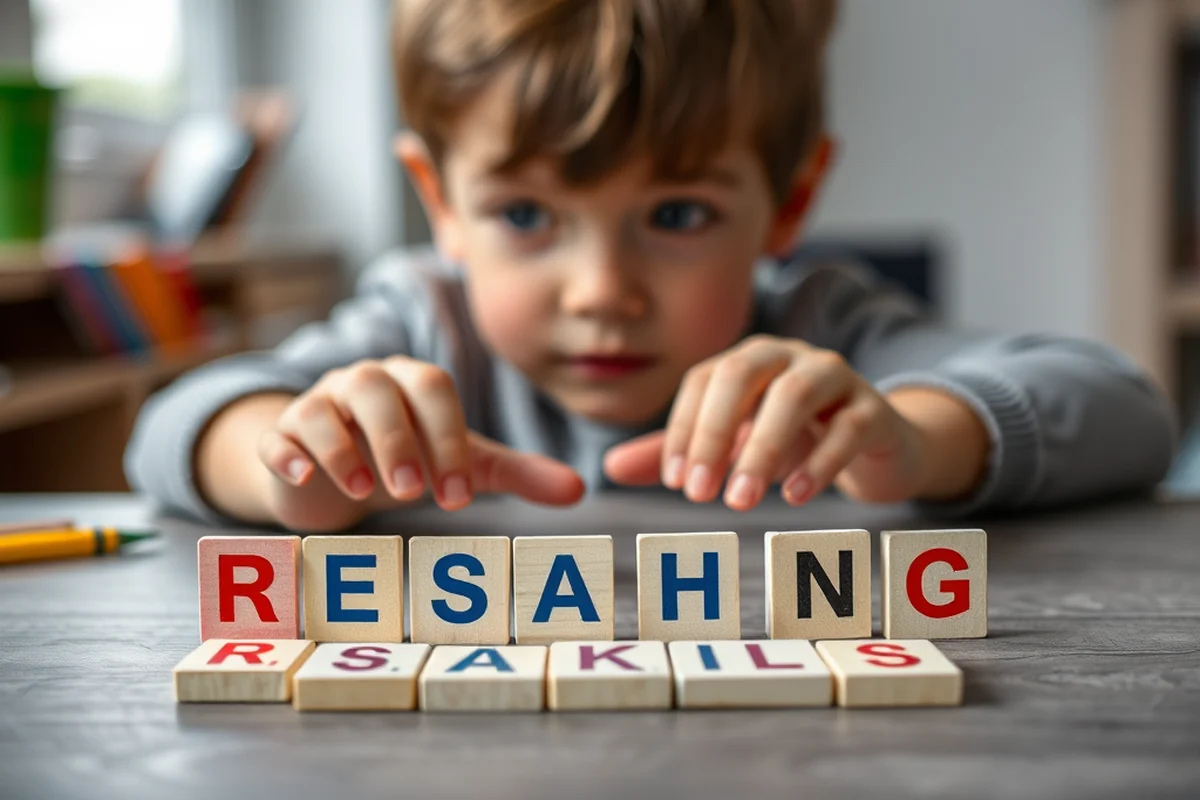
When working with kids under 8, it's important to use templates that are colorful, have pictures and are easy to follow. I've used a 'Research Journey Map' with 4-year-olds, where they draw a path from 'Start' to 'Finish' and place stickers in each step as they complete it. This makes the process feel like a game and helps them stay motivated.
Another approach is to use a template that includes a 'Fact Bank' where kids write down facts they find and then draw a picture next to each one. This helps them visualize information and makes the research process more fun. I've used this with kids who are learning about animals and it's helped them remember more facts.
I also recommend using templates that include a 'Guess and Check' section, where kids write down what they think before they look up the information. This helps them think critically and compare their ideas with the real facts. It's a simple way to build curiosity and confidence.
A research template is a map for the mind — and for little ones, it can be a map to wonder.
Related: What is the scientific method video for kids
Why Templates Help With Critical Thinking
One of the most powerful aspects of research skill templates is how they help kids think critically. I've used a template with a 'Source Evaluation' section that asks kids to circle which sources are 'trustworthy' and which are 'not sure.' This helps them understand why some websites are more reliable than others and how to spot fake information.
I've also seen templates that include a 'Compare and Contrast' section, which helps kids look at different sources and see how they might agree or disagree. This is a great way to introduce the idea of bias and multiple perspectives. It’s not just about finding the right answer — it’s about understanding that there might be different answers depending on the source.
Another feature I've found helpful is a 'Question Bank' where kids write down all their questions about a topic before they start researching. This encourages them to think about what they want to know and helps them stay focused on their goal. It's a simple tool, but it makes a big difference in how kids approach their research.
When teaching kids about evaluating sources, use real examples like a fake news article and a news article from a trusted website to help them see the difference.
“I still remember the first time my 8-year-old asked me, 'How do I know if this website is real?' It was during a school project…”— Teaching Research Skills to Teens editors
Related: Teaching research and service mistakes
How Templates Encourage Ownership of Learning

When kids use research skill templates, they often feel more in control of their learning. I've seen this especially with older kids who are working on more complex projects. A template that includes a 'Research Plan' and a 'Progress Tracker' helps them stay on track and see how far they've come.
I've also used templates that allow kids to choose their own topics and create their own questions. This helps them feel more invested in their research and more likely to take ownership of the process. I've had kids who were initially hesitant to start a project become excited once they had a clear structure to follow.
One of the best parts of using templates is that they help kids see the value in their work. I've seen kids who were once unsure of how to present their findings start creating slideshows, posters and even short presentations after using a 'Final Report' template. It's amazing how a simple structure can boost confidence and motivation.
Why Templates Are Adaptable for Any Age
One of the great things about research skill templates is that they can be adapted for any age. For younger kids, you can simplify the language and add more visuals. For older kids, you can add sections on citations, peer review and more advanced research techniques. I've used the same basic template with kids as young as 5 and as old as 12, adjusting the content based on their needs.
For example, a basic template with a 'Fact Bank' and 'Question Web' can be used with younger kids, while older kids can use the same template with sections on 'Citations' and 'Research Summary.' This flexibility makes templates a valuable tool for teachers and parents who want to support kids at different stages of learning.
I've also found that templates work well in group settings. I've used a 'Group Research Project' template with a class of 10-year-olds, where each student was responsible for a different section of the project. This helped them learn how to collaborate and divide tasks effectively.
The Role of Visual Aids in Templates
Visuals are a powerful tool when teaching research skills to kids. I've used templates with icons, color-coded sections and step-by-step guides to help kids follow along. For example, a template that uses traffic light colors to indicate 'trusted,' 'maybe trusted' and 'not trusted' sources has helped kids understand the importance of source evaluation.
I've also used templates with diagrams and flowcharts to help kids break down complex topics. For instance, a 'Research Process Flowchart' with arrows and labels helped kids see how each step of the research process connects to the next. It was a simple tool, but it made a big difference in how kids approached their projects.
Another visual aid I've used is a 'Research Journal' template with space for kids to draw, write and even glue in photos of their findings. This helps them keep track of their research in a fun and engaging way. It's a great tool for kids who learn better through hands-on activities.
A picture is worth a thousand facts — and for kids, a visual template can be worth a thousand research lessons.
Why Templates Are Important for Lifelong Learning
Teaching kids how to use research skill templates is an investment in their future. I've seen kids who learned to use these templates in elementary school go on to use them in high school and even college. They've developed a habit of thinking critically, verifying information and using sources effectively — skills that are essential for success in any field.
One of the most valuable lessons I've learned is that research is a skill that can be taught and practiced from a young age. I've used templates with kids who were struggling with school projects, and over time, they've become more confident in their ability to find and use information. It's a small step, but it makes a big difference.
I've also seen how templates help kids take ownership of their learning. When they have a clear structure to follow, they're more likely to stay on task and complete their projects. This builds a sense of accomplishment and confidence that will carry over into other areas of their lives.
📚 Visual Research Journal
A colorful template with space for drawing, writing and gluing in photos to help kids track their research visually.
👥 Group Research Project
A template designed for group work, with sections for each student to contribute to a larger project.
📄 No-Prep Research Guide
A simple, ready-to-use template that requires no preparation and can be used with any topic.
🗺️ Younger Kids Research Map
A visual map with stickers and simple steps to guide younger children through the research process.
📝 Advanced Research Planner
A more complex template with sections on citations, peer review and research summary for older kids.
| The mistake | Why it happens | The fix |
|---|---|---|
| Using a template that is too advanced for the child’s age. | A template that is too complex can overwhelm a child and make them feel frustrated or discouraged. | Choose a template that is appropriate for the child’s age and ability level. Start with simpler templates and gradually introduce more complex ones as the child gains confidence. |
| Not providing enough guidance or support during the research process. | Kids may become confused or lost if they don’t have enough support or direction. | Be available to answer questions, provide guidance and help the child stay on track. This helps them feel supported and more confident in their research. |
| Focusing too much on the final product rather than the research process. | This can lead to a lack of understanding and a superficial approach to research. | Encourage the child to focus on the process of learning and discovering information, not just the final report or presentation. |
| Not allowing the child to choose their own topic. | This can make the research process feel forced and unengaging. | Let the child choose a topic that interests them. This helps them stay motivated and invested in their research. |
Teaching Kids Research Skills Templates
Common Questions
Can these templates be used for subjects other than science?
How long does it take to complete a research project with a template?
Are the templates available in different languages?
Can parents use these templates at home?
References
- Task Templates Based on Misconception Research - ERIC (files.eric.ed.gov)
- State-Funded Pre-Kindergarten: What the Evidence Shows | ASPE (aspe.hhs.gov)
Cite this guide
Teaching Research Skills to Teens (2026). Teaching Kids Research Skills Templates. https://findandcite.com/teaching-kids-research-skills-templates/
Feel free to cite or share this guide.
Student Research Project Planner
A weekly research project schedule with source targets.
Open it free →