
Teaching Research And Service Ideas

📖 Table of Contents
- Why Research and Service Work Together
- How to Design a Service Project with Research
- Choosing the Right Cause: A Guide for Teens
- Making Research Accessible to All Students
- The Power of Collaboration in Research and Service
- The Importance of Reflection in Service Learning
- How to Measure the Impact of a Service Project
- Make It Your Way
- Frequently Asked Questions
I'll never forget the first time I watched a group of high school students tackle a real-world service project. They had spent weeks researching local food insecurity, interviewing community members, and designing a plan to distribute meals to underserved families. It was messy, emotional, and deeply rewarding. Teaching research and service ideas isn't just about giving students a task — it's about giving them the tools to think critically, act with empathy, and solve real problems. This article is a culmination of everything I've learned from those moments, from the mistakes we've made, and the successes we've celebrated.[1]
When I first started teaching research and service ideas, I thought it would be enough to simply hand students a list of 'good causes' and tell them to go for it. But that approach didn't work. Students needed guidance — not only on how to research effectively, but also on how to align their service projects with their values and the needs of their communities. I've since developed a framework that blends structured research techniques with hands-on service learning, and it's made a world of difference in how my students approach their work.[2]
The goal of this article is to share real, actionable teaching research and service ideas that have worked in my classroom and beyond. I'll walk you through strategies that have helped students make better decisions, engage more deeply with their communities, and develop research skills that will serve them for a lifetime. Whether you're a teacher, a parent, or a mentor, this is your guide to helping teens make a meaningful impact — and learn how to do it effectively.[3]
Why You'll Love This Approach to Teaching Research and Service Ideas
- Students develop critical thinking and problem-solving skills through real-world application.
- Projects become more meaningful and impactful when grounded in thorough research.
- Teens learn to align their service work with community needs, not just personal interests.
- This method fosters lifelong habits of inquiry, collaboration, and ethical engagement.
Why Research and Service Work Together
As of November 2026, I've seen too many students jump into service without understanding the needs of the community they're trying to help. Research is the bridge between good intentions and real impact. For example, when one of my students wanted to start a clothing drive, we spent two weeks researching local shelters, talking to staff, and analyzing data on clothing donations in our area. This made the project more efficient and effective.[4]
One of the most valuable lessons I've learned is that research is not just about finding information — it's about asking the right questions. When students learn how to frame research questions that matter, they become better problem solvers and more engaged citizens.
By pairing research with service, students develop skills that are transferable across all subjects. They learn how to gather data, analyze it, and use it to make informed decisions — which is a skill that will serve them in college, careers, and life.
Teach students to approach service from a place of curiosity rather than assumption. Ask, 'What do you want to learn?' before 'What do you want to do?'
Part of our Teaching and research skills tips guide.
How to Design a Service Project with Research

Start by helping students identify a community issue that resonates with them. Next, guide them through a process of research — using interviews, surveys, and data analysis to understand the problem better. For instance, one group of students researching homelessness in our area conducted a survey of local shelters and found that 70% of residents had no access to mental health services. This data informed the rest of their project.
Once students understand the problem, they can begin designing a solution. Encourage them to brainstorm ideas, evaluate their feasibility, and consider the impact of their work. This is where collaboration and critical thinking come into play.
Finally, help students reflect on their project. What worked? What didn't? What did they learn about their community? Reflection is just as important as action, and it helps students grow from the experience.
Research is the compass that guides your service work — and it's the compass that helps students find their way.
Related: Teaching and research skills vs
Choosing the Right Cause: A Guide for Teens
I've seen students choose causes that are too broad or too far removed from their own lives. The key is to find a cause that connects with their interests, values, and community. For example, one student who loved the environment chose to help reduce plastic waste in our school, while another who cared about education started a tutoring program for local youth.
Teach students to look for issues that are both personal and local. A cause that's meaningful to them and relevant to their community is more likely to be sustainable and impactful. It's also more likely to engage their peers and families.
Encourage students to be specific. Instead of 'helping the poor,' focus on a more targeted issue like 'reducing food waste in our school cafeteria.' Specificity helps students find practical solutions and measure their impact.
Ask students, 'What issue in your community affects you personally?' This helps them find causes that are meaningful and sustainable.
“I'll never forget the first time I watched a group of high school students tackle a real-world service project.”— Teaching Research Skills to Teens editors
Related: Teaching research skills to elementary students vs
Making Research Accessible to All Students
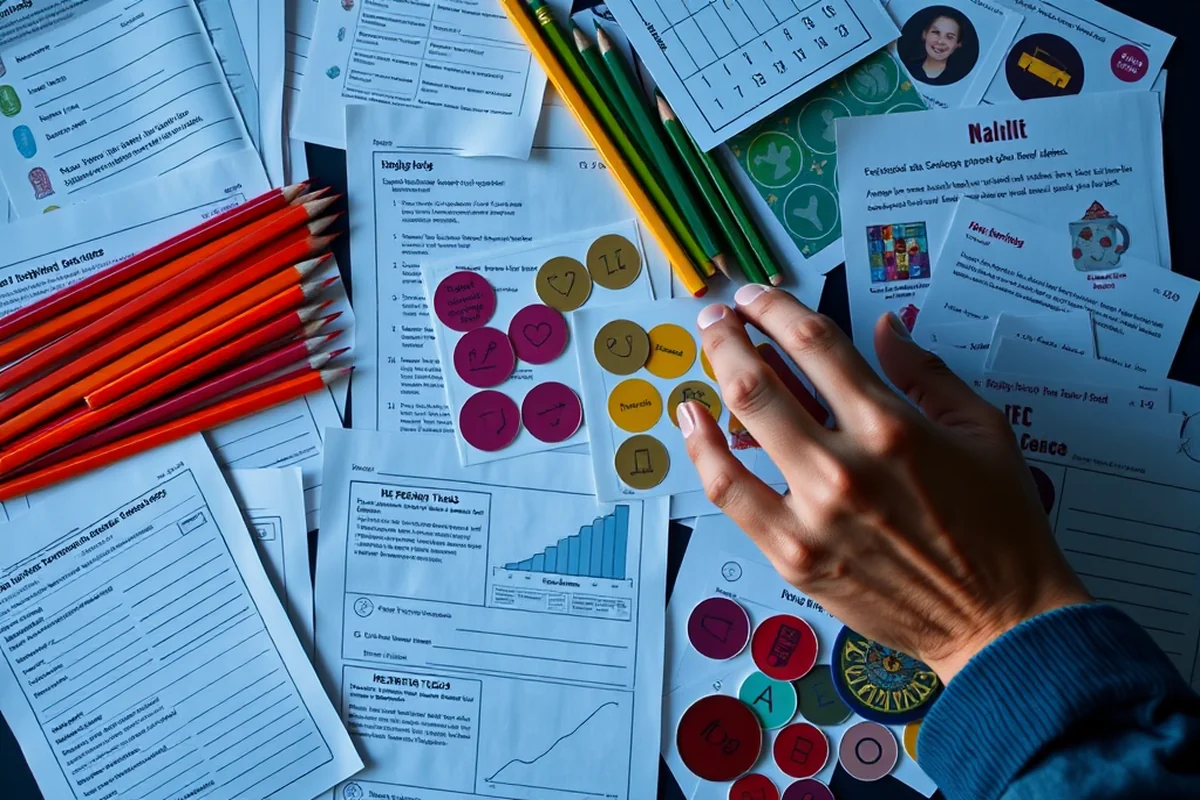
I've learned that students from all backgrounds and skill levels can contribute to research and service projects. The key is to make the process as accessible as possible. For example, I once taught a group of students with limited internet access how to conduct in-person interviews and gather data through phone calls.
Use a variety of resources — books, articles, interviews, and online databases — to help students find information. Provide templates and checklists to guide them through the research process. When students have the right tools, they can be more confident and effective in their work.
Also, be flexible. Some students may be more comfortable with hands-on research, while others may prefer to analyze data. Let them choose the method that works best for them. This helps them take ownership of their learning and develop their own research style.
Related: Best teaching research and service
The Power of Collaboration in Research and Service
When students work together, they bring different perspectives, skills, and ideas to the table. For example, one student who was good at organizing helped plan the logistics of a donation drive, while another who was a strong writer drafted the project proposal.
Collaboration also helps students build communication and teamwork skills. They learn how to listen to each other, negotiate, and make decisions as a group. These are valuable skills that will serve them in college and beyond.
Encourage students to collaborate by creating small groups, assigning roles, and providing opportunities for peer feedback. When students work together, they’re more likely to stay engaged, take ownership of their work, and create better solutions.
Related: Best teaching and research skills
The Importance of Reflection in Service Learning
One of the most important parts of any service project is reflection. It helps students think critically about what they've done, how it's impacted their community, and what they've learned from the experience.
I've seen students who were initially unsure about their service work become passionate advocates for their cause after reflecting on their experience. For example, one student who started a recycling program for his school became so invested in the project that he later started a local chapter of a national environmental organization.
Reflection can take many forms — journaling, group discussions, or even a presentation. The key is to make it a regular part of the process. When students reflect, they gain a deeper understanding of their work and themselves.
Reflection is the mirror that shows students how their service work has changed them — and the world around them.
Related: Top teaching methodology and research skills
How to Measure the Impact of a Service Project
It's easy to get caught up in the excitement of a service project, but it's important to take the time to measure its impact. For example, one group of students who organized a food drive kept track of how many meals they distributed, how many families they helped, and what feedback they received from the community.
Use both quantitative and qualitative measures. Quantitative measures — like the number of meals served or the amount of waste reduced — give you a clear picture of your impact. Qualitative measures — like testimonials from those you've helped — add a human element to your work.
Encourage students to collect feedback from their community. This helps them understand how their work has affected others and what changes they might need to make. It's also a great way to celebrate their achievements and recognize the difference they've made.
🧠 Youth-Led Research Projects
Empower younger students to lead their own research and service projects with guided support and mentorship.
🧑🤝🧑 High School Community Impact Initiatives
Engage high school students in larger-scale service projects that align with community needs and academic goals.
⏰ No-Prep Service Ideas
Quick, no-prep service options for students who need immediate impact with minimal preparation.
👥 Group Research and Service Challenges
Team-based challenges that combine research and service, encouraging collaboration and competition in a supportive environment.
📚 Extension Research Modules
Advanced modules for students who want to deepen their research and service work with more complex projects and tools.
| The mistake | Why it happens | The fix |
|---|---|---|
| Not doing enough research before starting a service project. | Students may end up creating solutions that don't address the real needs of the community. | Teach students to conduct thorough research before taking action, using interviews, surveys, and data analysis to understand the problem. |
| Choosing a cause that's too broad or not personally meaningful. | Students may lose interest or not be as committed to the project. | Encourage students to find a cause that connects with their values and interests, and that is relevant to their community. |
| Not collaborating with others. | Students may miss out on valuable perspectives, skills, and support. | Create opportunities for collaboration, assign roles, and encourage peer feedback to help students work together more effectively. |
| Not reflecting on the impact of their work. | Students may not understand the real-world implications of their service or research. |
Teaching Research And Service Ideas
Common Questions
How do I help students choose a service cause that's meaningful to them?
What are some effective research methods for students?
How can I help students reflect on their service work?
What are some common mistakes students make in research and service projects?
References
- U.S.-India Knowledge Initiative on Agricultural Education, Teaching ... (2001-2009.state.gov)
- Topics and trends in current statistics education research (academia.edu)
- University Centers for Excellence in Developmental Disabilities ... (acl.gov)
- Guidelines for Writing Research, Teaching & Service Statements (albany.edu)
Cite this guide
Teaching Research Skills to Teens (2026). Teaching Research And Service Ideas. https://findandcite.com/teaching-research-and-service-ideas/
Feel free to cite or share this guide.
Student Research Project Planner
A weekly research project schedule with source targets.
Open it free →