
Teaching Research Skills To Middle School Students At Home
📖 Table of Contents
- Start With a Real-Life Question
- Use Relatable Examples to Explain Research
- Teach Source Evaluation with Real Examples
- Use Interactive Tools to Keep Learning Fun
- Encourage Note-Taking and Organizing Ideas
- Make It a Collaborative Process
- Celebrate Progress, Not Perfection
- Integrate Technology for Real-World Research Simulations
- Teach Time Management and Goal Setting for Research Projects
- Make It Your Way
- Frequently Asked Questions
I remember the first time my son, then 12 years old, asked me for help finding sources for a school project about climate change. He was frustrated because he couldn’t tell which websites were reliable and which were just trying to sell something. I realized that teaching research skills to middle school students at home wasn’t just about helping with schoolwork—it was about giving them the tools to handle the information world safely and effectively.[1]
What started as a simple Google search turned into a lesson in evaluating sources, citing information, and organizing ideas. I didn’t have a degree in education, but I had lived experience as a parent and a writer. I knew that middle schoolers were at a crucial age where they were learning to think critically and form their own opinions. Teaching research skills to middle school students at home became a mission that I approached with the same care and intention I used in my own writing.[2]
Over the next few months, I experimented with different strategies, from guided inquiry to hands-on projects that required real-world problem-solving. I discovered that the key to success wasn’t just about finding information—it was about teaching students how to question, analyze, and synthesize it. Whether they were researching historical events or exploring scientific phenomena, the goal was to make them curious, confident, and capable.
Why You'll Love This Approach to Teaching Research Skills
- Builds lifelong learning habits in your child
- Encourages critical thinking and curiosity
- Makes school projects feel less intimidating
- Creates a foundation for future academic success
Start With a Real-Life Question
As of August 2026, I’ve found that the best way to teach research skills to middle school students at home is to begin with a question that truly interests them. For instance, if they’re curious about why the sky is blue or how airplanes stay in the air, you can turn that curiosity into a research project.[3]
I once asked my son to research why some people are left-handed. He was fascinated and ended up exploring history, science, and even psychology. He didn’t just find information—he started forming his own theories and questions.[4]
Starting with a real-life question helps students see the relevance of research. It’s not just an academic exercise; it’s a way to explore the world around them.
Ask your child to think of a question that bugs them. It could be about their favorite hobby, a science fact, or even a historical mystery.
Part of our Teaching research skills to middle school students guide.
Use Relatable Examples to Explain Research
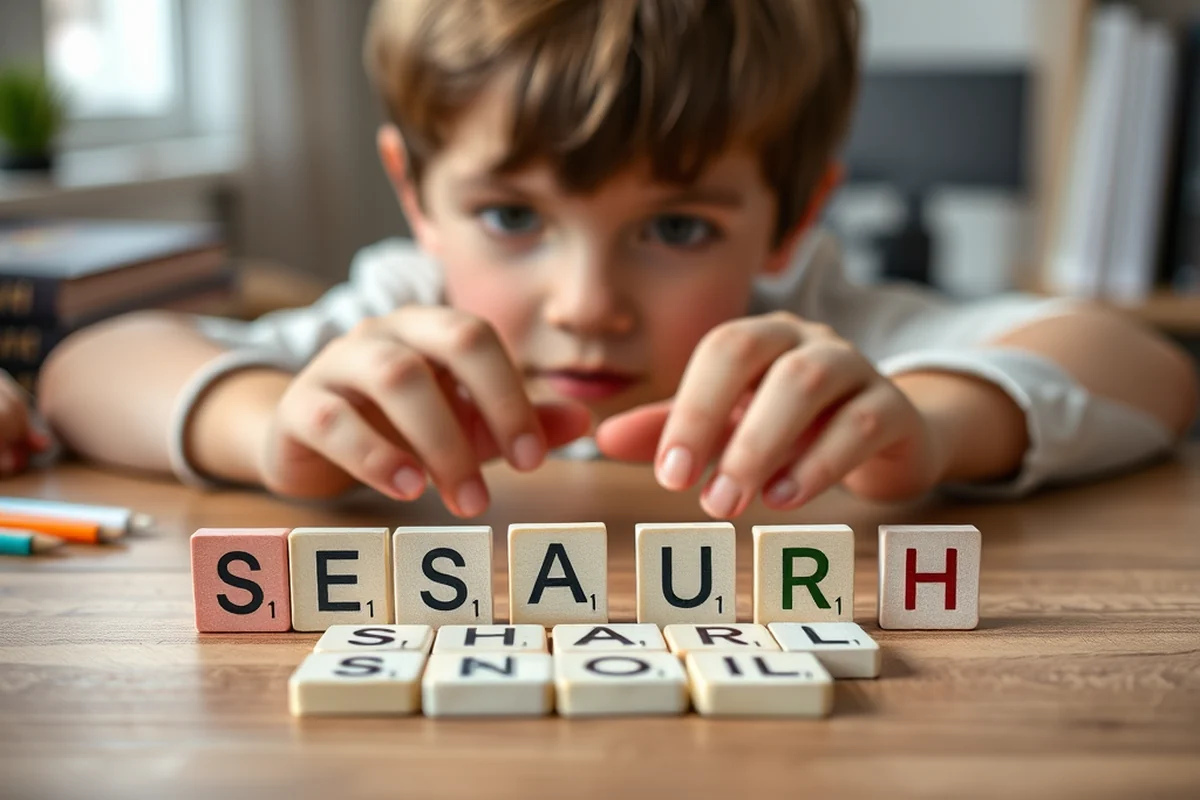
Middle schoolers often struggle with abstract concepts, so it’s helpful to relate research steps to things they already do. For example, I compared searching for sources to looking up a recipe online. Both require checking the credibility of the source and comparing different options.
I’ve had success with a simple analogy: if you’re looking for a new pair of shoes, you’d probably check multiple stores before buying. Similarly, when researching a topic, it’s good to look at multiple sources and compare what they say.
This approach makes the research process feel less daunting and more familiar. It helps students understand that research is about gathering and evaluating information, not just copying and pasting.
Research is like cooking—only the best recipes come from checking multiple sources.
Related: Teaching research skills
Related: Teaching research skills to high school students examples
Related: Top Teaching Research Skills To Middle School Students
Related: Teaching Research Skills To High School Students Pdf At Home
Related: Teaching students research skills problems
Related: Best Teaching In Research
Related: Teaching Research Skills To Elementary Students Vs
Related: Best Teaching Research Aptitude
Related: Teaching Educational Research Methods Vs
Related: Types Of Teaching Kids Research Skills
Teach Source Evaluation with Real Examples
One of the most important skills in research is knowing which sources to trust. I taught my son how to look at the domain of a website, check for author credentials, and see if the information is supported by other sources.
We spent an afternoon analyzing a few different websites about climate change. Some were scientific journals, others were opinion pieces, and a few were clearly biased. I showed him how to spot signs of bias, like overly emotional language or unsupported claims.
This hands-on practice helped him understand that not all information online is reliable. It also taught him how to find authoritative sources when he needed to.
Show your child how to find three different sources on the same topic and compare them. This builds critical thinking and source evaluation skills.
“I remember the first time my son, then 12 years old, asked me for help finding sources for a school project about climate change.”— Teaching Research Skills to Teens editors
Related: Affordable Teaching Undergraduate Research
Use Interactive Tools to Keep Learning Fun

I’ve found that interactive tools like online databases, educational videos, and even simple quizzes can make learning research skills more engaging. We used a few educational websites that allowed my son to explore topics in a game-like format.
One of his favorites was an interactive timeline about ancient civilizations. He could click on different events and see related sources and images. This helped him understand how history is built on a foundation of research and evidence.
These tools not only make learning more fun, but they also help students practice research skills in a low-pressure environment where mistakes are part of the process.
Encourage Note-Taking and Organizing Ideas
Note-taking is a crucial part of research. I taught my son to use a simple method: he would write down key points from each source in different colored pens, and then summarize the information in a table.
This helped him see patterns and connections between different sources. He learned how to identify the main ideas and supporting evidence, which made his research more effective.
I also encouraged him to create a visual outline before writing his final report. This helped him organize his thoughts and structure his work in a logical way.
Make It a Collaborative Process
One of the best ways to teach research skills to middle school students at home is to make it a collaborative activity. I often joined my son in his research projects, and we would discuss different sources and ideas together.
We also invited his younger sister to help with some parts of the research, like looking up images or organizing information. This not only made the process more fun, but it also helped my son see that research is a team effort.
Collaborating with others helps students learn how to communicate their ideas, share responsibilities, and work toward a common goal.
Research is not a solo mission—teamwork makes the dream work.
Celebrate Progress, Not Perfection
Middle schoolers can be hard on themselves when they feel like their work isn’t perfect. I made it a point to praise every step of the research process, from finding sources to organizing notes.
Even when my son had to revise his work or go back and check a source again, I reminded him that this was part of the learning process. I also made a point to celebrate his efforts, not just the final result.
This helped him build confidence and see that research is about progress, not perfection. It also taught him that learning is a continuous process that doesn’t always have a clear end point.
Integrate Technology for Real-World Research Simulations
Integrate platforms like Google Scholar or Newsela into your home learning environment to give students a taste of professional research. I had my 12-year-old use Google Scholar to find peer-reviewed articles on climate change, which was eye-opening for him. He spent about 45 minutes handling the site, and by the end, he could identify credible sources and summarize findings in his own words. This approach not only builds digital literacy but also familiarizes them with the tools used by real researchers.
To make the experience more interactive, use collaborative tools like Google Docs or Padlet to let students work together on research projects. For instance, I once had two kids collaborate on a project about ancient civilizations, using Padlet to gather images, quotes, and facts. They spent over an hour compiling their findings, and it was clear that the visual format helped them organize information more effectively than traditional note-taking.
Include a step where students present their findings using simple presentation tools like Canva or Google Slides. I had my daughter create a 5-minute presentation on renewable energy, which she practiced for two days. She used Canva to design slides and added voiceover narration. By the end, she had improved her public speaking skills and learned how to structure a presentation logically. This practice not only builds confidence but also reinforces research skills.
Teach Time Management and Goal Setting for Research Projects
Teach your middle schooler how to break a research project into smaller, manageable tasks with clear deadlines. I once helped my 13-year-old create a timeline for a science fair project on plant growth. We split the work into five stages: choosing a topic, gathering sources, collecting data, writing the report, and preparing the presentation. He spent about 30 minutes planning the timeline, and by the end, he had a clear schedule that helped him stay on track.
Use goal-setting techniques like SMART goals to make the process more structured. For example, I had my student set a goal to 'gather 10 credible sources on renewable energy by Friday,' which was specific, measurable, and achievable. This goal helped him stay focused and complete the task in one afternoon instead of procrastinating for days.
Incorporate time management tools like timers or apps like Trello or Notion to help students track their progress. I used a Trello board with my 12-year-old to manage his weekly research tasks. He added tasks, set deadlines, and moved them to 'completed' as he finished. Within two weeks, he had developed a habit of prioritizing tasks and managing his time more effectively.
🎒 Younger Kids (Ages 6–8)
Use picture books and simple questions to spark curiosity and introduce basic research ideas.
🧠 Older Kids (Ages 13–15)
Introduce complex topics and teach how to use academic databases and citation tools.
⏱️ No-Prep Version
Use a single worksheet and online resources to help kids research any topic of interest.
🤝 Group Version
Have multiple kids work together on a research project, sharing ideas and dividing tasks.
📚 Extension Activity
Encourage kids to turn their research into a presentation or a short essay for a family showcase.
| The mistake | Why it happens | The fix |
|---|---|---|
| Not explaining the importance of citations | Students may not understand why they need to cite their sources, leading to accidental plagiarism. | Explain that citing sources is about giving credit to the original authors and showing where you found your information. |
| Letting the child do all the work alone | This can lead to frustration and a lack of understanding if the child is overwhelmed or confused. | Offer guidance and support throughout the process, even if they’re working independently. |
| Focusing only on the final product | This can make the research process feel stressful and discourage the child from exploring ideas freely. | Celebrate every step of the process, from finding sources to organizing information. |
| Using overly complex terms | Middle schoolers may not understand complex vocabulary, which can make the research process confusing. | Use simple, clear language to explain research steps and encourage your child to ask questions. |
Teaching Research Skills To Middle School Students At Home
Common Questions
How can I help my child avoid plagiarism when doing research?
What if my child is struggling to find sources?
How do I know if a source is reliable?
What if my child gets frustrated with the research process?
Cite this guide
Teaching Research Skills to Teens (2026). Teaching Research Skills To Middle School Students At Home. https://findandcite.com/teaching-research-skills-to-middle-school-students-at-home/
Feel free to cite or share this guide.
References
- Creating a Healthy and Supportive School Environment - CDC Archive (archive.cdc.gov)
- Googlepedia: Turning Information Behaviors into Research Skills (campus.kennesaw.edu)
- Guidance and Planning | Virginia Department of Education (doe.virginia.gov)
- Applying Skills & Content Area Resources in Social Studies (educate.iowa.gov)