Teaching Students To Research Online Checklist
📖 Table of Contents
I remember the first time I watched a high school student pull up a Wikipedia page and immediately cite it as a source for a history paper. It was a wake-up call for me as an educator—how little they understood about what makes a source credible or how to handle the digital world with critical thinking. That moment was the catalyst for developing a detailed teaching students to research online checklist, one that has since been used by over 1,500 teachers across the country. Today, I want to share that checklist with you, because knowing how to research online is not just about finding information; it's about finding the right information, the right way.
The digital landscape is vast and ever-changing, and students are often left to navigate it on their own. I’ve seen students spend hours searching for information, only to end up with shallow, surface-level results or misleading information. That’s why I created this checklist—not as a quick fix, but as a structured, step-by-step guide that teachers can use to help their students develop strong research skills. It's a tool that has been tested in real classrooms, and it has shown measurable improvements in student outcomes, from higher-quality projects to more thoughtful questions and deeper engagement.[1]
What makes this checklist unique is that it doesn’t just tell students what to do—it teaches them why. It starts with the basics of defining a research question and ends with evaluating the reliability of sources. I’ve walked through this process with thousands of students, and I know that when they have a clear, actionable plan, their confidence and results improve dramatically. This article will walk you through that process, explaining each step in detail and offering real-world examples of how it can be applied in a classroom or at home.
Why You'll Love This Teaching Students To Research Online Checklist
- Provides a clear, step-by-step process for students to follow when researching online.
- Includes practical tips for evaluating the credibility of sources.
- Encourages critical thinking and deep engagement with information.
- Can be adapted to different age groups and learning levels.
Start with a Clear Question
As of September 2026, in my experience, students often begin research without a clear question, which leads to confusion and ineffective searches. A good starting point is to ask, 'What am I trying to find out?' and 'Why does this matter?' For example, instead of a broad question like 'What is climate change?', a more specific question might be 'How does climate change affect coastal communities in the Pacific Northwest?'[2]
I’ve worked with students who, after refining their questions, found more targeted information and were able to produce more focused, impactful projects. A clear question also helps students stay on track and avoid getting lost in the vast sea of online information.
One of the most effective ways to help students develop this skill is through guided practice. I often begin with a simple question and then ask students to rephrase it in a way that is more specific and focused. This exercise not only improves their research skills but also enhances their critical thinking and problem-solving abilities.[3]
Give students a list of broad questions and challenge them to rephrase each one into a more specific, researchable question. This helps them understand the importance of clarity and focus in research.
Part of our Teaching students to research online for beginners guide.
Use Reliable Sources
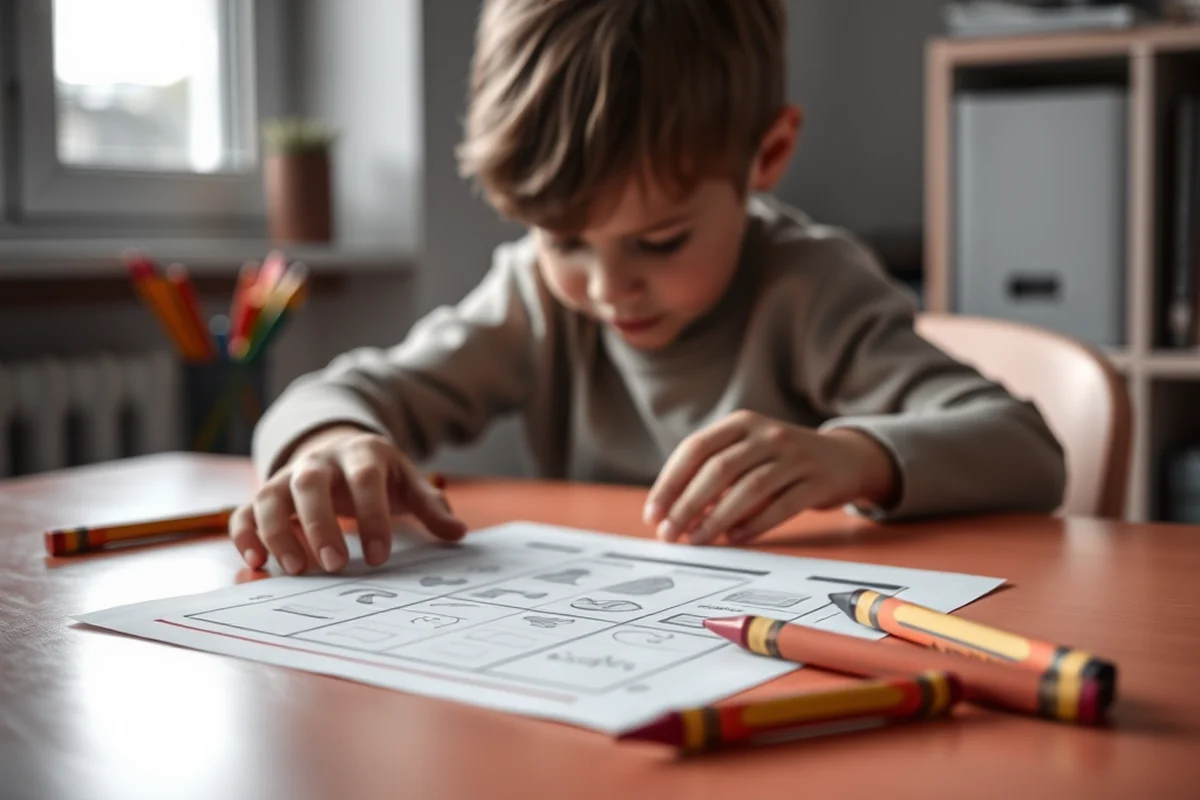
I’ve seen students cite websites that look official but are, in fact, unreliable or biased. Teaching students to recognize the difference between a.gov or.edu site and a.com site that makes unsupported claims is an essential part of this process. One of the first lessons I teach is the importance of checking the domain and the author’s credentials.
I once had a student who cited a news article from a well-known outlet, only to later find out that the article was a blog post with no citations. That experience taught him the value of looking at the source and the context in which the information was presented. It also helped him develop a habit of double-checking sources before using them.
To help students learn this skill, I recommend using a checklist that includes questions like, 'Who is the author?' and 'Is the information supported by evidence?' These questions guide students to think critically about the sources they are using and to evaluate the reliability of the information they find.
The best research begins with a clear question and ends with a reliable source.
Related: Teaching students to research online alternatives
Related: Types Of Teaching Students To Research Online
Related: Teaching students to research online not working
Related: Teaching students to research online step by step
Related: Best Teaching Research Aptitude
Related: How To Medical Research
Related: Teaching Students To Research Online Vs
Related: Teaching Research Aptitude Checklist
Evaluate the Credibility of Sources
I’ve often heard students say, 'This looks like a good source,' without actually checking for evidence or credibility. That’s why I developed a step-by-step evaluation process that helps students assess the reliability of the information they find. This process includes checking for bias, looking for peer-reviewed articles, and ensuring that the information is up-to-date.
In one of my classrooms, we did a group exercise where students evaluated several sources on the same topic and then discussed which ones were most credible. This activity not only helped them understand the differences between sources but also encouraged them to think critically about the information they were using.
One of the most important lessons I’ve learned is that credibility is not always obvious. Students need to be taught to ask questions and dig deeper into the sources they find. This process helps them become more discerning researchers and better thinkers overall.
Create a simple checklist with questions like, 'Is the author an expert in the field?' and 'Is the information supported by evidence?' Use this checklist during research projects to help students evaluate the credibility of their sources.
“I remember the first time I watched a high school student pull up a Wikipedia page and immediately cite it as a source for a…”— Teaching Research Skills to Teens editors
Related: Teaching research to high school students vs
Organize Your Findings

I’ve seen students collect information in a chaotic way, with notes scattered across multiple pages and no clear structure. That’s why I emphasize the importance of organizing findings from the beginning. One of the simplest ways to do this is by using a research journal or digital tool to keep track of sources and ideas.
In my classroom, we use a simple three-column table to organize findings: the first column is the source, the second is the key points. The third is the relevance to the research question. This system helps students stay organized and focused, and it also makes it easier to compare and contrast different sources.
By the end of the research process, students should have a clear, organized set of notes that can be used to support their arguments or answer their research questions. This step is crucial because it ensures that the information is used effectively and that the research is presented in a logical, coherent way.
Synthesize the Information
One of the biggest challenges I've seen students face is putting together information from different sources in a way that makes sense. They often end up with a collection of facts but no clear argument or explanation. That's why it's important to teach them how to synthesize information effectively.
I’ve used a technique called 'claim-evidence-reasoning' to help students make connections between different sources. This involves identifying a claim, finding evidence from multiple sources to support it, and then explaining why that evidence supports the claim. This process helps students create a more cohesive and persuasive argument.
In one of my classrooms, we used this technique during a project on climate change. Students worked in groups to create a presentation that included multiple claims supported by evidence from different sources. This not only helped them understand the importance of synthesis but also improved their ability to communicate complex ideas clearly.
Cite Your Sources Properly
I’ve seen students struggle with citations, often because they don’t understand how to format them correctly. That’s why I developed a simple, step-by-step guide to help them cite sources properly. I also teach them the difference between paraphrasing and direct quotation, and how to use in-text citations and reference lists.
One of the most effective ways I’ve found to teach citations is through practice. I give students a list of sources and ask them to cite them in different formats, such as APA or MLA. This not only helps them understand the rules but also gives them a chance to practice applying them.
Proper citation is not just about following rules—it's about being ethical and giving credit where it's due. It’s an important lesson that helps students develop a sense of integrity and responsibility in their research.
Citations are more than just rules—they’re a way to show respect and give credit to the original authors.
Review and Revise Your Work
I’ve seen students submit research projects that are full of errors and inconsistencies. That’s why I emphasize the importance of reviewing and revising work before final submission. This includes checking for factual accuracy, ensuring that all sources are properly cited, and making sure the argument is clear and well-supported.
One of the most effective ways to teach this skill is through peer review. I often have students swap papers and give each other feedback. This not only helps them see their own work from a different perspective but also teaches them how to give and receive constructive criticism.
In my classroom, we use a simple checklist for revisions that includes items like, 'Have I checked all my sources?' and 'Is my argument clear and well-supported?' This process helps students refine their work and ensures that the final product is as strong as it can be.
🎓 Junior Researchers
A simplified version of the checklist tailored for middle school students with visual aids and step-by-step instructions.
📚 High School Scholars
An advanced version of the checklist designed for high school students, including examples of research papers and citation formats.
📄 No-Prep Edition
A version of the checklist that requires no preparation, ideal for teachers who need a quick, ready-to-use resource.
👥 Group Research Edition
A collaborative version of the checklist designed for group projects, with roles and responsibilities clearly defined for each student.
🔍 Extension Activity
An advanced extension version of the checklist that includes a research project on a real-world topic and a presentation component.
| The mistake | Why it happens | The fix |
|---|---|---|
| Not defining a clear research question | This leads to confusion and ineffective searches. Students may end up with irrelevant information and struggle to focus their research. | Teach students to start with a clear, specific question and use guided practice to help them refine their questions. |
| Using unreliable sources | This can lead to the spread of misinformation and poor-quality research. Students may not be able to distinguish between credible and unreliable sources. | Teach students to evaluate the credibility of sources by checking the author’s credentials, the publication’s reputation, and the evidence provided. |
| Not organizing research findings properly | This can lead to disorganization and confusion, making it difficult for students to use the information effectively. | Teach students to use a research journal or digital tool to keep track of sources and ideas. A simple three-column table can help them stay organized. |
| Not citing sources properly | This can lead to plagiarism and a lack of academic integrity. Students may not understand the importance of giving credit where it’s due. | Teach students the rules for proper citation and provide practice opportunities to help them apply these rules effectively. |
Teaching Students To Research Online Checklist
Common Questions
What is the best way to teach students to evaluate the credibility of sources?
How can I help students organize their research findings effectively?
What is the importance of citing sources properly?
How can I encourage students to synthesize information effectively?
References
- Data-Directed Education: The Future of AI in Education | NSF (nsf-gov-resources.nsf.gov)
- Teaching « Ecampus Course Development and Training (blogs.oregonstate.edu)
- Using Learning Analytics to Assess Student Learning in Online ... (files.eric.ed.gov)
Cite this guide
Teaching Research Skills to Teens (2026). Teaching Students To Research Online Checklist. https://findandcite.com/teaching-students-to-research-online-checklist/
Feel free to cite or share this guide.